

































































































































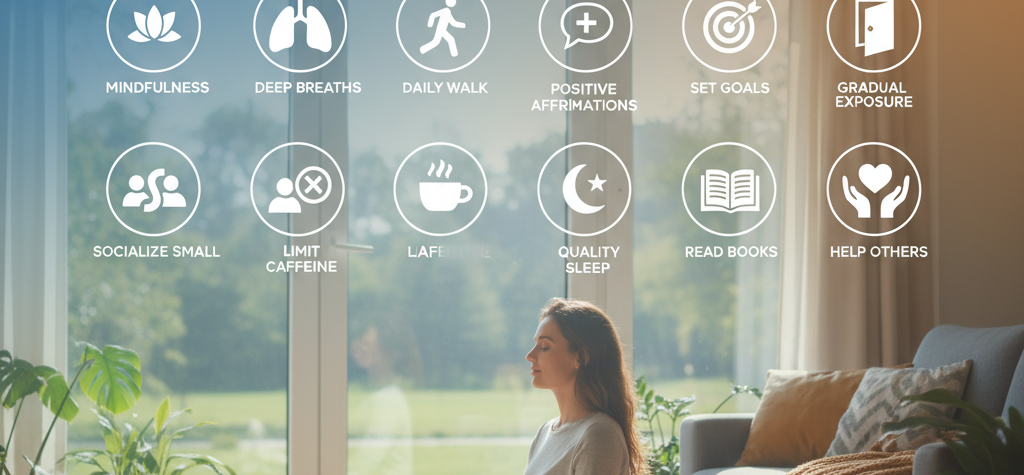
How to Overcome Social Anxiety Naturally: 12 Science-Backed Tips That Really Help
Author: R.V.L.N.V. Prasad
Fact-Checked By
Wellness Research Team
Last Updated: July 2026
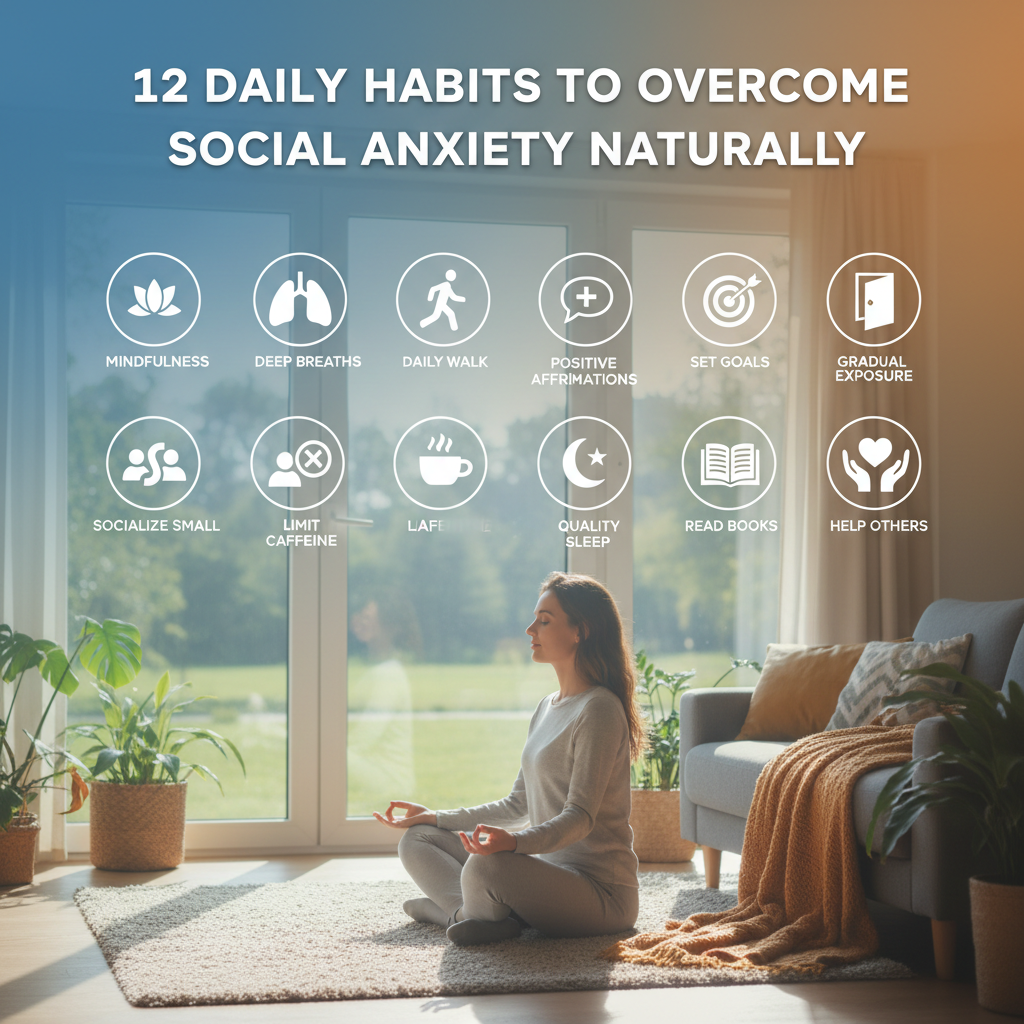
Author Note
RVLNSV PRASAD presents evidence-based wellness articles that make complex health issues into simple advice for everyday living. This article is based on reliable medical organizations such as the National Institute of Mental Health (NIMH), the American Psychological Association (APA), Mayo Clinic, the National Center for Complementary and Integrative Health (NCCIH), and other respectable medical sources.
Introduction
Did you ever dread introducing yourself because you could say something embarrassing? Perhaps you haven’t spoken in meetings, refused to go to social occasions, or replayed discussions in your thoughts long after they’ve concluded. If this scenario sounds familiar, it’s not just you.
Learning how to overcome social anxiety naturally: Being natural doesn’t mean changing who you are or forcing yourself to be the most outgoing person in the room. It’s about building practical habits that make you feel calmer, think more clearly, and feel more confident when you’re in social situations.
Quick Answer
You can overcome social anxiety naturally by practicing gradual exposure, deep breathing, mindfulness, regular exercise, healthy sleep, balanced nutrition, and challenging negative thoughts. These evidence-based habits can reduce anxiety over time, although professional treatment may be needed for moderate to severe symptoms.
How to Overcome Social Anxiety Naturally: A Practical Guide to Feeling More Comfortable Around Others
Most individuals assume they just need to “be more confident,” but confidence isn’t something that happens immediately. In my opinion, it grows out of modest wins. I used to be afraid to ask simple questions in public, anxious that others would judge me. Over time, practicing modest social exchanges such as greeting neighbors or initiating brief discussions, I began to understand that most people weren’t evaluating me nearly as harshly as I imagined. Those tiny wins started to make big situations feel less scary.
Research also supports this gradual approach. According to mental health specialists, reducing anxiety in the long term involves habits like mindfulness, regular exercise, decent sleep, controlled breathing, and increased exposure to the situations you dread. These natural methods are no substitute for professional help for moderate to severe anxiety but can help manage mild social anxiety and enhance emotional health.
Remember that everyone feels nervous sometimes. It’s totally normal to get butterflies before a presentation or meeting new people. Social anxiety becomes more problematic when the fear is acute, occurring often, and starts getting in the way of work, school, relationships, or everyday activities.
In this article you’ll learn 12 science-backed ways to overcome social anxiety naturally and manage social anxiety, practical lifestyle adjustments that help you build confidence for the long term, common pitfalls to avoid, and simple routines that you can start implementing today. It’s not about getting rid of anxiety. It’s about not letting anxiety dominate your decisions and your life.
What Is Social Anxiety?
Social anxiety is not only being shy. It is characterized by a significant fear of being criticized, embarrassed, or negatively evaluated in social circumstances. This dread makes many people shy away from activities such as speaking in groups, meeting new people, dining in public, or attending social events.
You may also notice bodily symptoms such as sweating, blushing, trembling, a racing heartbeat, or an upset stomach. Many people are also very self-critical. They think everyone will notice all the little mistakes they make.
The good news is that social anxiety can get better. With persistent practice, good habits, and evidence-based coping strategies, many people learn to manage their symptoms and feel more competent in everyday settings.
Difference Between Shyness, Social Anxiety, and Social Anxiety Disorder
| Shyness | Social Anxiety | Social Anxiety Disorder |
|---|---|---|
| Personality trait | Persistent fear of social situations | Diagnosable mental health condition |
| Usually mild | Moderate discomfort | Severe distress and avoidance |
| Doesn’t usually affect daily life | May interfere with confidence | Significantly impacts work, school, or relationships |
| Improves with familiarity | Often continues without practice | Often requires professional treatment |
Feeling shy doesn’t necessarily mean you have social anxiety. Likewise, experiencing social anxiety doesn’t automatically mean you have social anxiety disorder (SAD). A healthcare professional can determine whether symptoms meet the criteria for a diagnosable condition.
People experience social anxiety differently, but many share similar emotional, physical, and behavioral symptoms.
Common Signs of Social Anxiety
| Emotional Signs | Physical Signs | Behavioral Signs |
|---|---|---|
| Fear of embarrassment | Rapid heartbeat | Avoiding conversations |
| Worry about being judged | Sweating | Skipping social events |
| Overthinking interactions | Trembling | Speaking very quietly |
| Low confidence | Blushing | Avoiding eye contact |
| Expecting negative outcomes | Dry mouth | Leaving situations early |
Recognizing these signs is the first step toward making positive changes. The next step is understanding why social anxiety develops, because addressing the root causes often makes the coping strategies far more effective.
Why Does Social Anxiety Happen?
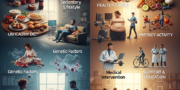
There is no single source of social anxiety. Instead, it is frequently the result of a combination of biological, psychological, and environmental variables. Understanding these causes will help you stop blaming yourself and focus on practical strategies to improve things.
Genetics
Research shows anxiety disorders can run in families. If you have a close relative with anxiety, you may not have it, but your risk may be higher. (NIMH)
Brain Reaction
In someone with social anxiety, the threat-detecting system in the brain may overreact to situations that most people would consider safe. This can turn normal conversations or presentations into a lot more stressful than they actually are. (APA or NIMH)
Patterns of Negative Thinking
Many individuals with social anxiety often predict the worst outcome.
Examples include:
- Everyone will see my mistakes.
- I’ll make a fool of myself.
- People believe I’m definitely weird.
These thoughts often feel real with little evidence to back them up.
Past Experiences
Bullying, criticism, embarrassment, or repeated unfavorable social experiences in childhood or adulthood might raise the anxiety of future social encounters.
Lifestyle Factors
Poor sleep, continuous stress, too much caffeine, not exercising, and social isolation may worsen your anxiety symptoms as time goes on.
The good news is that you can improve most of these with healthy daily routines and persistent practice.
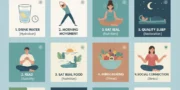
12 Natural Science-Backed Methods to Deal With Social Anxiety
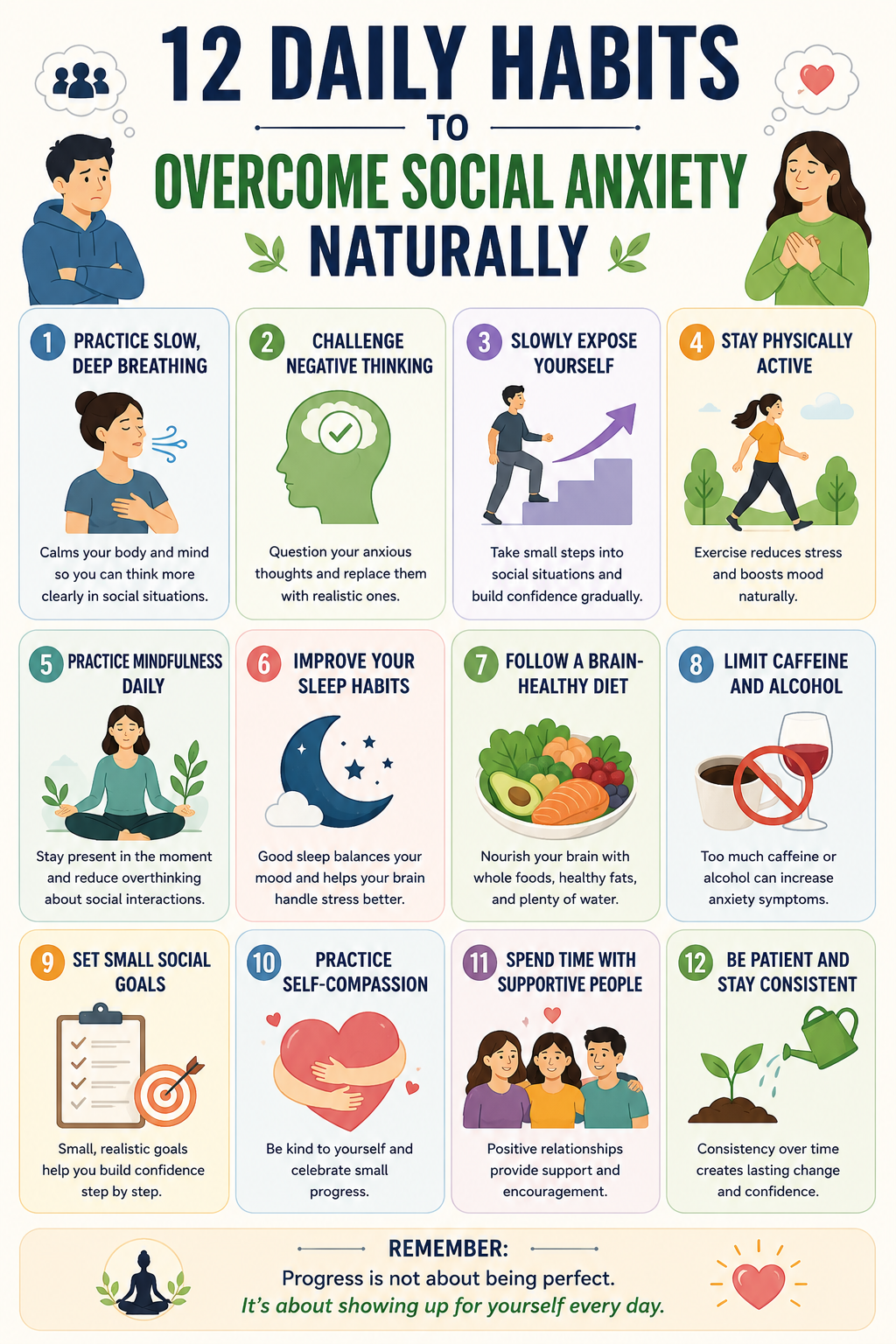
1. Practice Slow, Deep Breathing
One of the quickest ways to settle your body when anxiety strikes is to pay attention to your breathing.
As anxiety builds, breathing usually becomes quick and shallow. That tells your body to stay in “fight-or-flight” mode. Slow breathing activates your body’s relaxation response, which can help you think more clearly and be present.
One simple technique is the 4-6 breathing technique:
- Inhale through your nose for 4 seconds.
- Slowly exhale through your mouth for 6 seconds.
- Repeat for 2–5 minutes.
I often use this technique before presentations or tough talks. It doesn’t take away the nervousness completely, but it does help reduce the physical symptoms enough to be able to think more calmly.
Tips for Beginners
Practice breathing exercises every day, not just when you’re stressed.
Common Mistake
Holding your breath or breathing too quickly can make dizziness worse. (NCCIH, APA)
2. Challenge Negative Thinking
Social anxiety often starts well before you actually get into a social situation. It starts with the stories we tell ourselves.
Don’t accept worrying thoughts as realities; instead, pause and ask yourself:
- Is there any evidence this will happen?
- Am I assuming I know what others are thinking?
- What would a friend say to me in this situation?
Example
Rather than saying,
“Everyone will laugh at me.”
Try changing it to,
“Most people are too busy with themselves to judge me.”
Changing negative thinking requires practice, but it will steadily reduce worry over time.
I’ve experienced that many of the things I’ve worried about didn’t happen. I would write down my nervous thoughts and go back over them, and I could see they were generally exaggerated.
Tip for beginners
Maintain a tiny notebook for writing down nervous thoughts and realistic alternatives.
Common Mistake
Instead of realistic thinking, you might try to impose positive thinking. (APA)
3. Slowly Expose Yourself to Social Situations
Avoiding difficult situations may provide temporary relief, but it usually increases anxiety over time.
Instead, gradually expose yourself to situations that make you a little uncomfortable, slowly.
For example:
| Start Small | Next Step |
|---|---|
| Smile at a neighbor. | Start a short conversation. |
| Ask a cashier one question. | Talk for an extra minute |
| Join a small group. | Attend a larger gathering. |
| Make one phone call. | Participate in a meeting. |
Each successful experience teaches your brain that social situations are usually safer than you expected.
The goal isn’t perfection. The goal is progress.
Beginner Tip
Choose one small challenge each week.
Common Mistake
Trying to overcome your biggest fear on the first day. (NIMH, APA)
4. Stay Physically Active
Exercise is good for physical and mental health.
Regular physical activity reduces stress hormones in the body and increases chemicals that promote a happier attitude. Even simple amounts of walking, cycling, yoga, or swimming can all assist in lowering your overall anxiety levels.
You don’t have to do vigorous exercise to get the benefits.
Try to have 30 minutes of moderate activity most days of the week.
I discovered that taking a brief nighttime stroll before social occasions made me feel calmer and less stressed.
Beginner Tip
Start with five minutes after waking up each morning.
Common Mistake
Thinking you need intense workouts to reduce anxiety. Even a short walk or gentle exercise can be beneficial.
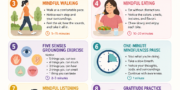
Mindfulness is not about stopping thoughts; it is about noticing thoughts without reacting. (NCCIH, Harward Health)
5. Daily Practice of Mindfulness
People with social anxiety sometimes spend too much time thinking about what will happen in future encounters or rehashing what happened in prior interactions.
Mindfulness allows you to return your focus to the present moment.
Here are some simple mindfulness activities:
- Pay attention to your breathing.
- Listen to what people are actually saying.
- Observe your surroundings non-judgmentally.
- Practice short guided meditations.
Even five to 10 minutes a day can help with emotional awareness and minimize anxious thoughts over time.
Beginner Tip
Start with five minutes after waking up each morning.
Common Mistake
You may expect your mind to become completely quiet.
Stopping thoughts is not the point of mindfulness. It’s noticing them without reacting. (NCCIH, Harward Health)
6. Improve Your Sleep Habits
Poor sleep and anxiety are commonly linked.
It is difficult to sleep when you’re anxious.
Poor sleep makes you more anxious the next day.
The first step to breaking this cycle is to practice good sleep hygiene.
Try to
- Get up and go to bed at the same time every day.
- Put a limit on screen time before bed.
- Avoid coffee in the late evening.
- Ensure your bedroom is cool, dark, and quiet.
After sorting out my sleep schedule, I found I dealt with tough conversations with a lot more patience and confidence than I did previously.
Beginner Tip
Aim for 7–9 hours of quality sleep each night.
Common Mistake
Using your phone in bed until you fall asleep. (Sleep Foundation, Mayo Clinic)
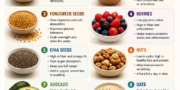
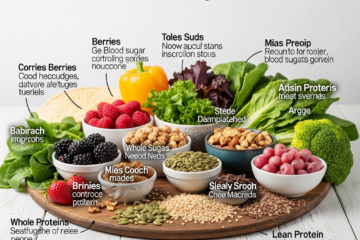
7. Follow a Brain-Healthy Diet
Not only does it affect your physical health, but what you eat also affects how your brain works and how your body deals with stress. No single food can treat social anxiety, but a balanced diet will give the nutrients your brain needs to control your mood and energy levels.
Choose foods high in:
- Fruits and vegetables
- Whole grains
- Lean protein
- Nuts, seeds, and seafood are rich in healthy fats
- Plenty of water
High added sugar and ultra-processed foods may contribute to energy crashes and so make it difficult to manage stressful conditions.
I found that having regular, healthy meals helped me focus at social occasions. Skipping meals typically made me weary and more irritable, making anxiety feel worse.
Beginner Tip
Eat mostly foods that are minimally processed, close to nature.
Common mistakes
One of the most common mistakes is relying on sugary foods or energy drinks for a quick confidence boost. (Mayao Clinic, Harvard Health Publishing)
8. Limit Caffeine and Alcohol
Many people reach for coffee before work or alcohol before social events, hoping they’ll feel more relaxed. Unfortunately, both can sometimes make social anxiety worse.
Too much caffeine can increase:
- Rapid heartbeat
- Restlessness
- Anxiety
- Difficulty sleeping
Alcohol may temporarily reduce anxiety, but the effects are short-lived, and you may feel more anxious afterward.
Rather than relying on these drinks, drink water, herbal tea, or other non-caffeinated beverages when you know you’ll be in a stressful social situation.
Beginner Tip
Gradually reducing your intake, rather than stopping suddenly, will help you avoid withdrawal symptoms.
Common Mistake
Using alcohol as a long-term coping mechanism rather than building healthy habits. (Mayo Clinic, NHS)
9. Establish Small Social Goals to Build Confidence
Confidence is built through action, not perfection. Don’t expect yourself to feel entirely comfortable. Instead, try to fulfill tiny, realistic challenges.
For instance:
| Week | Small Goal |
|---|
| Week 1 | Smile and greet one new person. |
| Week 2 | Ask a simple question during a conversation. |
| Week 3 | Join a small group discussion for a few minutes. |
| Week 4 | Share an opinion during a meeting or class. |
Every victory tells the brain, “You can do things you used to avoid.”
One thing I learned was that waiting until I felt confident didn’t tend to work. The first tiny moves, gradually, built real confidence.
Beginner Tip
Celebrate progress, even if it feels small.
Common Mistake
Comparing your progress with someone else’s. (APA)
10. Practice Self-Compassion
Many people with social anxiety are much harder on themselves than they would ever be on a friend.
After a conversation, you might think:
- “I sounded awkward.”
- “Everyone noticed my mistake.”
- “I ought to have said something else.”
Instead of self-criticism, ask yourself:
“Would I be that judgmental for someone else?”
Meet yourself with the same tolerance and empathy you would offer anyone else.
Replacing severe self-criticism with more moderate self-talk won’t erase worry immediately, but it can lighten the emotional load over time.
Beginner Tip
At the end of each day, write down one social interaction that went better than expected.
Common Mistake
Believing confidence means never making mistakes. (APA)
11. Spend Time with Supportive People
Positive relationships can make a real difference as you learn to cope with social anxiety.
You can get support from friends, family members, or community groups to practice social skills without fear of being harshly judged.
Seek out people who:
- Listen without judgment.
- Celebrate your progress.
- Respect your boundaries.
- Celebrate small successes.
You don’t need dozens of close friends. A few supportive relationships often provide more emotional benefits than many superficial ones.
Beginner Tip
Schedule one meaningful conversation each week with someone you trust.
Common Mistake
Completely isolating yourself because of fear. (NIMH)
12. Be Patient and Stay Consistent
Perhaps the most important strategy is remembering that lasting confidence develops gradually.
Some days you’ll feel comfortable.
Other days anxiety may return.
That doesn’t mean you’re failing.
Think of social confidence like building physical fitness. A day of not working out does not negate months of development, and one awkward conversation doesn’t negate the confidence you have already built.
I noticed progress I would have missed if I hadn’t glanced back every few months, not days.
Keep up with your healthy practices and look at every meeting as a chance to learn. Don’t forget to grow yourself over time.
Tip for beginners
Concentrate on one minor achievement each week, not just the failures.
Common Mistake
Wanting instant results and giving up too soon. (NIMH, APA)
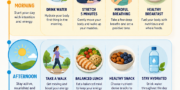
Daily Confidence Routine
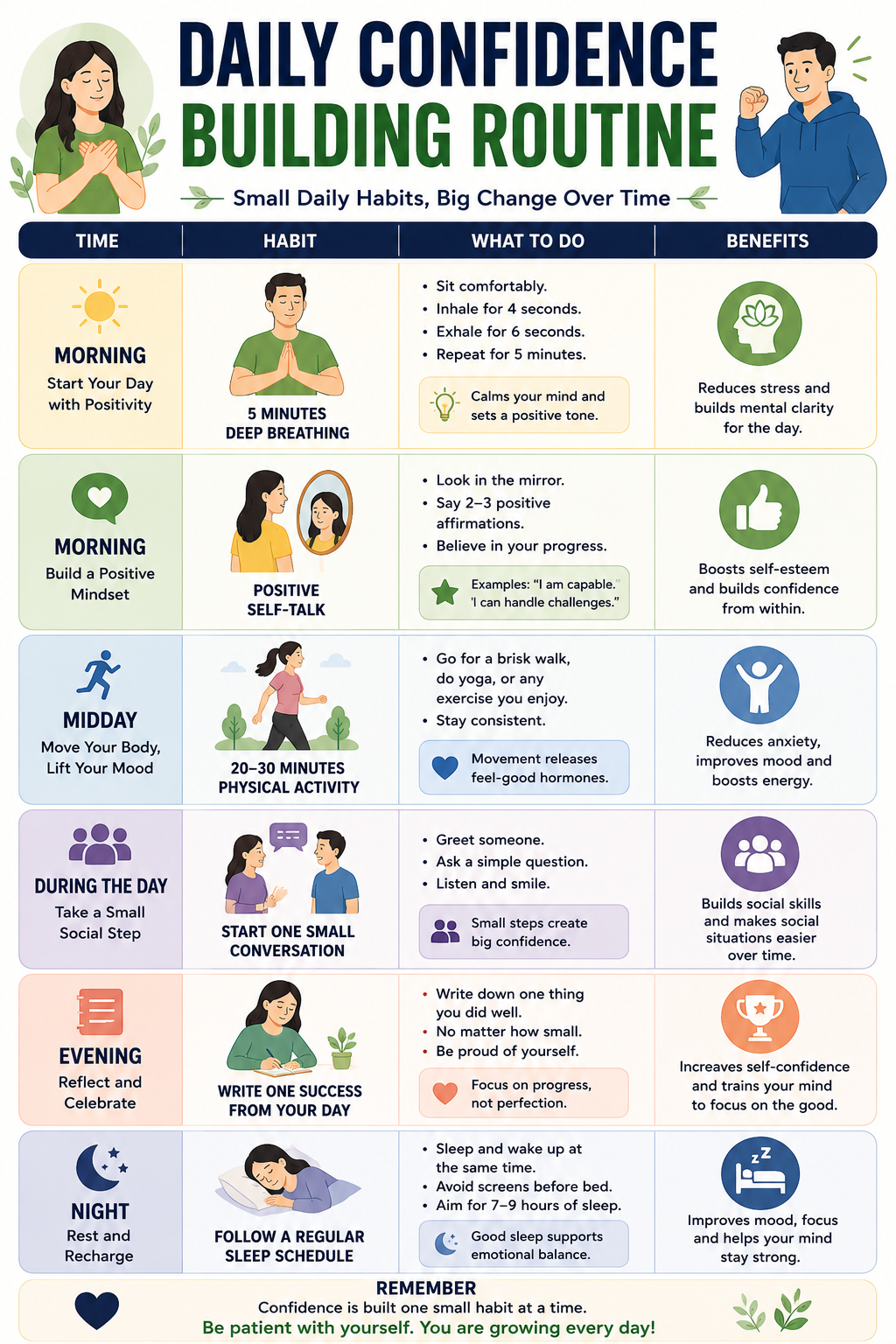
Small daily habits can gradually make social situations feel less intimidating.
| Time | Habit | Benefit |
|---|---|---|
| Morning | 5 minutes of deep breathing | Starts the day feeling calmer |
| Morning | Positive self-talk | Builds a healthier mindset |
| Afternoon | Brief walk or exercise | Reduces stress and boosts mood |
| During the Day | Start one small conversation | Strengthens social confidence |
| Evening | Write one success from the day | Reinforces progress |
| Night | Maintain a regular sleep schedule | Supports emotional well-being |
Mistakes That Make Social Anxiety Worse
If you can ditch these behaviors, you can make steady progress:
- Waiting until you feel “completely confident” to start acting.
- Avoiding any embarrassing social circumstance.
- Comparing yourself to extroverts.
- Replaying conversations over and over in your thoughts.
- Using caffeine or alcohol to cope.
- Neglecting proper sleep, nourishment, and exercise, people often look for fast results instead of slow progress.
Myths vs. Facts About Social Anxiety
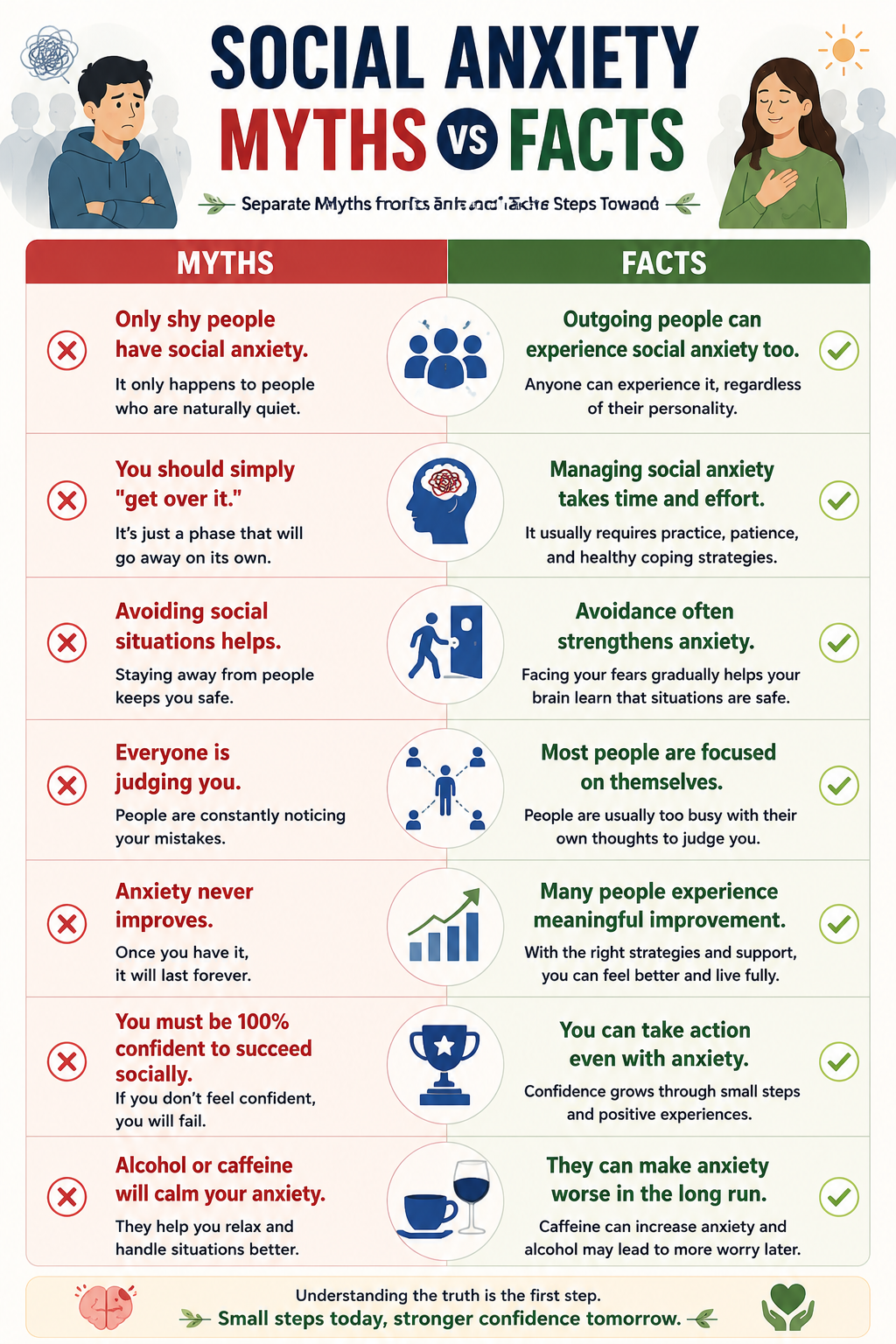
| Myth | Fact |
|---|---|
| Only shy people have social anxiety. | Outgoing people can experience social anxiety too. |
| You should simply “get over it.” | Managing social anxiety usually requires time, practice, and healthy coping strategies. |
| Avoiding social situations helps. | Avoidance often strengthens anxiety over time. |
| Everyone is judging you. | Most people are focused on themselves rather than closely evaluating others. |
| Anxiety never improves. | Many people experience meaningful improvement with consistent practice and, when needed, professional support. |
Signs You’re Getting Better
Improvement is often gradual. You may discover that you have less anxiety before social events.
- Recovering from awkward encounters more quickly
- Talking more often
- More comfortable with eye contact.
- You are now going to places you used to avoid.
- More confident in speaking up in meetings and group discussions.
- Not being overly concerned about what other people think
- Celebrate the small accomplishments instead of beating up on shortcomings.
The changes may seem tiny, but taken collectively they are evidence of a growing confidence and a healthier way of responding to social circumstances.
Remember, only progress, not perfection.
When should I seek professional help?
Natural techniques can be quite helpful in managing mild to moderate social anxiety but are not always adequate. If you feel that your social anxiety is interfering with your employment, school, relationships, or quality of life, seeking professional help is a positive move—it is not a sign of weakness.
If you are: Talk to a health care physician or licensed mental health professional if you are:
- Avoid social events due to excessive dread.
- Often have panic attacks in social situations.
- Have difficulty working, learning, or getting along with others.
- Feeling nervous most days for several months
- If you’re trying self-help, take note if the symptoms are growing worse.
- Use other drugs or alcohol to self-medicate anxiety.
Treatment methods may include cognitive behavioral therapy (CBT), mindfulness-based approaches, medication where indicated, or a combination of these approaches. With evidence-based treatment and ongoing support, many people do quite well. (NIMH, APA, Mayo Clinic)
Key Takeaways:
- Social anxiety is something that many individuals have, and many of them manage it well.
- Small modifications are more likely to lead to lasting results than large ones.
- Deep breathing, mindfulness, exercise, proper sleep, and a balanced diet can all help you feel better emotionally.
- By challenging negative beliefs and progressively exposing yourself to social situations, you can acquire confidence over time.
- Progress is about managing anxiety and not allowing fear to influence your choices.
- If symptoms are severe or are interfering with everyday living, professional treatment can make a real impact.
Conclusions
Learning how to overcome social anxiety naturally is a process of slow change, not an overnight change. Some days it’ll be easier to talk, and some days the nervousness will come back. That’s a standard part of the routine.
The main thing is to keep going. Every hello, every discussion, every presentation, every social gathering is a chance to build confidence. Over time these little activities rewire your response to events that earlier felt overpowering.
Remember, you’re not required to be the most outgoing person to enjoy meaningful connections or to thrive in your personal and professional life. Build confidence with regular practice, self-compassion, and positive daily habits.
If your anxiety starts restricting your options or causing significant distress, then don’t be afraid to seek expert help. The greatest way to get better in the long run is to have a healthy lifestyle and evidence-based treatment.
Today, take one small step. Every positive activity you do, whether it’s taking deep breaths, saying hello to someone new, or challenging a negative thought, puts you closer to feeling more comfortable and confident in social circumstances.
Frequently Asked Questions
1. Can social anxiety just disappear?
Mild social anxiety usually responds to regular healthy living and progressive exposure to social situations, as well as mindfulness and stress-management skills. But if your symptoms are severe or don’t improve, you may need to consult a therapist or other specialist.
2. What is the fastest natural way to calm social anxiety?
Slow, controlled breathing alleviates bodily symptoms (such as a racing heart and muscle tightness) almost immediately. It doesn’t take away the anxiety, but it does help you stay calmer and think more clearly when the tension hits.
3. Does exercise actually relieve social anxiety?
Yes. Regular exercise can also improve your mental health by improving your mood, lowering stress, and helping you manage anxiety better. Walking or yoga (a gentle kind of exercise) may help.
4. Is social anxiety the same as shyness?
No. Shyness is a personality type. Social anxiety is an ongoing dread of being negatively evaluated or shamed. Social anxiety disorder is a diagnosable mental health issue that can profoundly impact a person’s daily life.
5. Does eating affect social anxiety?
Eating well can help you keep a healthy brain and stable emotions. Food won’t cure anxiety, but a balanced diet, drinking plenty of water, and limiting too much coffee may help decrease symptoms in some people.
6. When to Seek Help for Social Anxiety?
If you find yourself frequently experiencing anxiety at work, school, with friends or family, or in other daily activities, or if self-help strategies are not helping enough, seek evaluation and guidance from a licensed mental health professional.
7. Can social anxiety go away naturally?
Mild social anxiety may improve over time with consistent healthy habits such as gradual exposure to social situations, mindfulness, regular exercise, decent sleep, and stress management. However, if it is severe, persistent, or affects daily life, it is advisable to seek help from a qualified mental health professional.
8. What foods help reduce anxiety?
A balanced diet can support brain health and emotional well-being. Eating plenty of fruits, vegetables, whole grains, lean protein, nuts, seeds, and healthy fats while staying well hydrated may help support mood. Limiting excessive caffeine, alcohol, added sugar, and highly processed foods may also help some people manage anxiety symptoms.
Trusted References
- National Institute of Mental Health (NIMH) – Social Anxiety Disorder (Social Phobia)
- American Psychological Association (APA) – Anxiety
- National Center for Complementary and Integrative Health (NCCIH) – Psychological and Physical Approaches for Mental Health Conditions
- Mayo Clinic – Social Anxiety Disorder (Social Phobia)
- Harvard Health Publishing – Understanding Anxiety Disorders
- National Health Service (NHS) – Social Anxiety (Social Phobia)
- World Health Organization (WHO) – Mental Health
- Centers for Disease Control and Prevention (CDC) – Mental Health
Medical Disclaimer
The information provided here is for educational purposes only and is not intended to replace professional medical advice, diagnosis, or treatment. If anxiety becomes chronic, intense, or disruptive to your day-to-day life, consult a competent health care physician or mental health professional. Always consult with your health professional prior to beginning any new health, wellness, or fitness program.
Related Articles
- 3 Top Risk Factors of Fibrodysplasia Ossificans Progressiva in Newborn
- 10 Stress Management Techniques and Strategies
- 22 Natural Remedies for Anxiety: What Really Works?
- 7 Natural Ways to Reduce Anxiety and Stress Daily: A Comprehensive Guide
- Home








[…] How to Overcome Social Anxiety Naturally: 12 Science-Backed Tips That Really Help […]
[…] How to Overcome Social Anxiety Naturally: 12 Science-Backed Tips That Really Help […]
[…] How to Overcome Social Anxiety Naturally: 12 Science-Backed Tips That Really Help […]
[…] How to Overcome Social Anxiety Naturally: 12 Science-Backed Tips That Really Help […]
[…] How to Overcome Social Anxiety Naturally: 12 Science-Backed Tips That Really Help […]
[…] How to Overcome Social Anxiety Naturally: 12 Science-Backed Tips That Really Help […]
[…] How to Overcome Social Anxiety Naturally: 12 Science-Backed Tips That Really Help […]
[…] How to Overcome Social Anxiety Naturally: 12 Science-Backed Tips That Really Help […]
[…] How to Overcome Social Anxiety Naturally: 12 Science-Backed Tips That Really Help […]
[…] How to Overcome Social Anxiety Naturally: 12 Science-Backed Tips That Really Help […]
[…] How to Overcome Social Anxiety Naturally: 12 Science-Backed Tips That Really Help […]
[…] How to Overcome Social Anxiety Naturally: 12 Science-Backed Tips That Really Help […]
[…] How to Overcome Social Anxiety Naturally: 12 Science-Backed Tips That Really Help […]